What is Personal Protective Equipment? Example Benefits and Requirements



I’ve seen several accidents where people didn’t use Personal Protective Equipment, or PPE, and got hurt because they didn’t know how important it is.
Without the right gear, workers are at risk from all sorts of dangers every day.
In this article, You’ll learn about ppe and how using the right ppe can prevent injuries and save lives.
What is Personal Protective Equipment (PPE)?
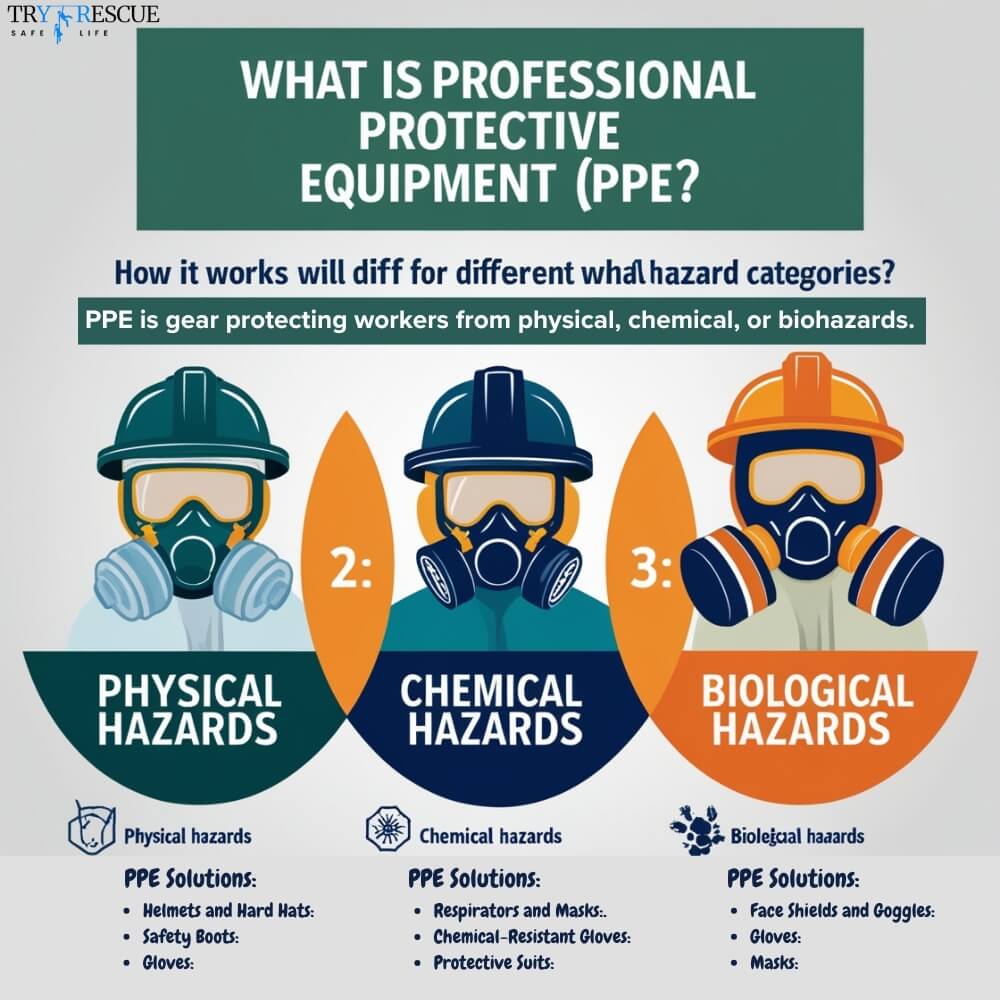
Personal Protective Equipment (PPE) is a Safety Gear for Workers, Barrier Against Hazards and Essential for Workplace Protection.
PPE is a special design of cloth and equipment worn to help their workers or employers to protect themselves from workplace hazards. Like helmets, gloves, and safety goggles etc .
It is a good barrier between employees and potential dangers. It's essential for minimizing exposure to risks that could cause injury or illness. such as chemicals, biological agents, and physical threats
As my personal view, PPE is your last line of defense. There are diffrent type of ppe use different safety. All wearable safety items designed to keep specific parts of your body safe from harm while doing your job. It's like wearing a suit of armor custom-made for your work!
When other safety methods can't fully protect workers. So they use Personal Protective Equipment (PPE). This kind of PPE needed depends on the job, the dangers, and the chemicals used at work. It's important to take good care of PPE so it can keep everyone safe.
The Purpose of PPE
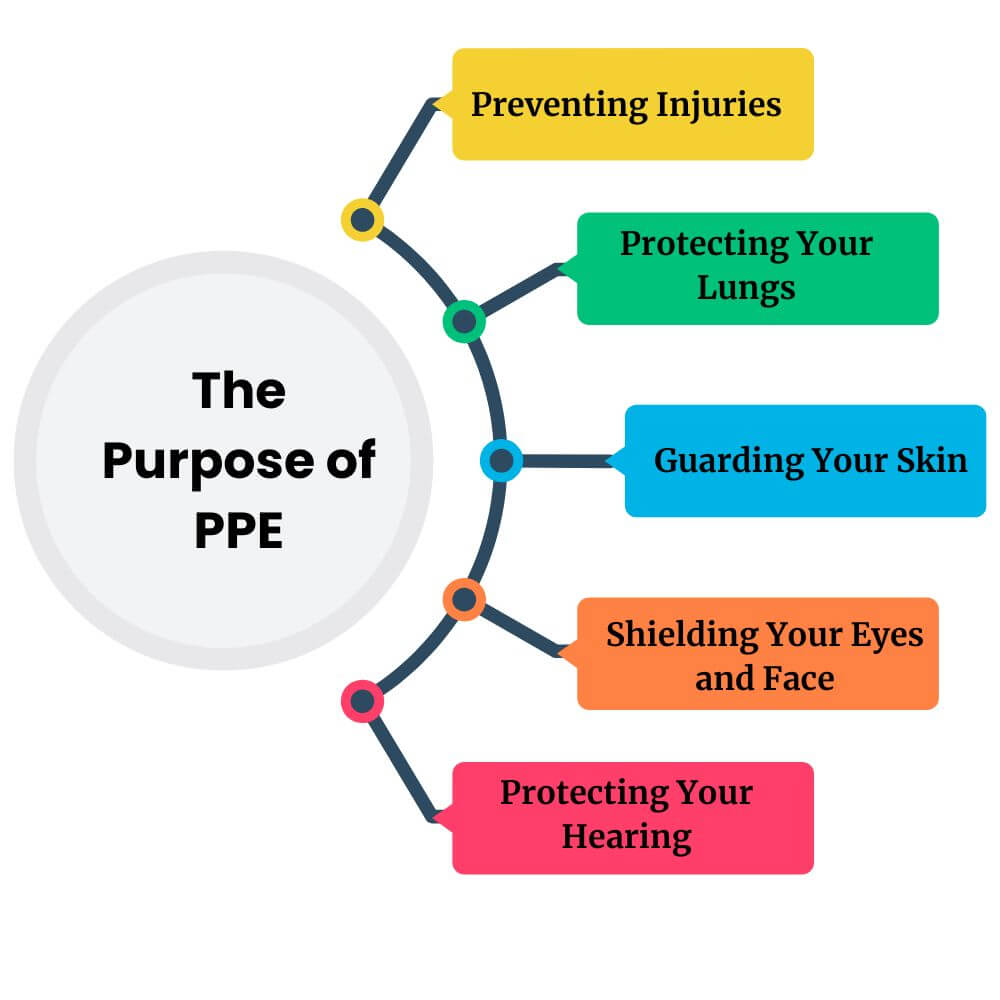
Personal Protective Equipment (PPE) is essential for keeping people safe in different situations, whether at work, during rescue missions, or everyday tasks. Here’s how PPE helps employers, workers, and rescue teams:
- Preventing Injuries: It helps you from getting hurt by sharp tools, heavy objects, or falling debris. Example : Helmets and hard hats, Gloves
- Protecting Your Lungs: Breathing in harmful substances can make you very sick. PPE like masks and respirators keep the air you breathe clean. Some helmets have ventilation system. it is used for fresh air, especially in environments with poor air quality.
- Guarding Your Skin: Your skin is the body’s largest organ and needs protection from dangerous chemicals and substances Example : Protective Suits and Aprons,Chemical-Resistant Gloves cover your body and keep chemicals from touching your skin.
- Shielding Your Eyes and Face: Our eyes and face are sensitive and need protection from flying objects, splashes, and bright lights. For that use Safety Goggles, Face Shields
- Protecting Your Hearing: Loud noises at work can damage your hearing over time. PPE like earplugs and earmuffs help reduce noise exposure
Related Category
How PPE Protects Workers from Different Hazards
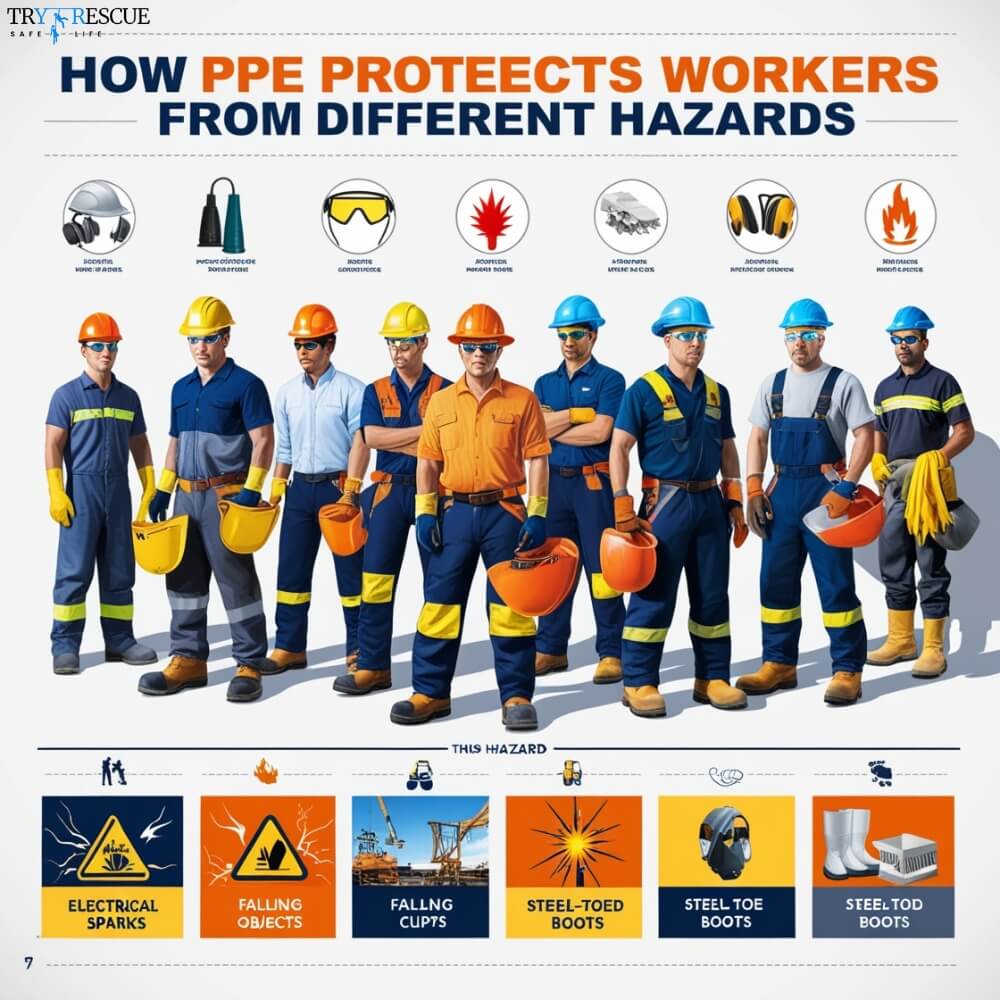
Here's how it works across various hazard categories:
1. Physical Hazards
- Examples: Falling objects, sharp tools, extreme temperatures.
- PPE Solutions:
- Helmets and Hard Hats:
- Safety Boots:
- Gloves:
2. Chemical Hazards
- Examples: Exposure to harmful chemicals, vapors, and gases.
- PPE Solutions:
- Respirators and Masks:.
- Chemical-Resistant Gloves:
- Protective Suits:
- Biological Hazards
- Examples: Bacteria, viruses, and other pathogens.
- PPE Solutions:
- Face Shields and Goggles:
- Gloves:
- Masks: .
Examples of PPE in Various Industries
Different industries require specific PPE to address their unique hazards. Here are some examples:
1. Healthcare Workers
- PPE Types: Surgical masks, gloves, face shields, gowns.
- Protection Against: Infectious diseases, bloodborne pathogens, chemical exposures.
2. Emergency Response and Recovery Workers
- PPE Types: Helmets, high-visibility jackets, respirators, protective suits.
- Protection Against: Fire, hazardous materials, debris, extreme weather conditions.
3. Construction Workers
- PPE Types: Hard hats, safety boots, high-visibility vests, ear protection.
- Protection Against: Falling objects, loud machinery, sharp tools, electrical hazards.
4. Manufacturing Workers
- PPE Types: Gloves, safety glasses, respirators, protective clothing.
Protection Against: Mechanical injuries, chemical exposures, airborne particles.
What is PPE Safety?
PPE Safety – practices & measures to assure that PPE protects workers from workplace hazards. It involves everything from choosing the right gear to giving training to employees.
They know how to handle that equipment and then maintain that very same equipment in good shape. It is necessary for them to provide protection against physical dangers and adverse environmental conditions.
PPE Safety Requirements
Before PPE is considered to be safe, some requirements that can help with that are:
- Hazard Identification: you must identify hazards present in the workplace and decide the appropriate PPE required against them.
- Select PPE: This means picking the right safety gear for the job. You need to choose the correct type and size of equipment to protect yourself from the specific dangers you might face
- Training: How to use, care for, and store safety gear Training is helpful for every job.They also need to appreciate the significance of wearing it.
Compliance: Everyone must follow all safety rules and laws set by government agencies like OSHA. (Occupational Health Safety Administration)
What Does PPE Not Include? Items That Aren't Considered Personal Protective Equipment
We often talk about what PPE is, but it's just as important to know what isn't. Let's clear things up and break down what doesn't count as PPE.
Common Items That Are Not PPE
1. Regular Work Uniforms
- Company shirts and pants
- Name badges
- Regular work boots without safety features
- Standard office wear
- Restaurant staff uniforms (without protective features)
Why aren't these PPE: Uniforms help us identify workers, but they don't protect you from danger at work.
2. Food Hygiene Clothing
- Hair nets
- Regular kitchen aprons
- Food service gloves for handling food
- Chef hats
- Basic kitchen shoes
Important note: These items keep food clean, but they're mainly for food safety, not worker protection!
3. Public Road Protection Equipment
- Regular traffic cones
- Road barriers
- Warning signs
- Street dividers
- Traffic lights
Remember: These protect the public but aren't personal protection items worn by workers.
4. Sports Equipment
- Regular gym shoes
- Sports helmets for games
- Knee pads for volleyball
- Shin guards for soccer
- Swimming goggles
Key difference: These protect during sports activities but aren't designed for workplace hazards
5. Self-Defense Equipment
- Pepper spray
- Personal alarms
- Whistles
- Basic security badges
- Standard security uniforms
Why not PPE? These items are for personal security, not protection from workplace hazards.
6. Portable Risk Detection Devices
- Basic smoke detectors
- Carbon monoxide alarms
- Weather alert radios
- Motion sensors
- Temperature monitors
Important distinction: While these warn of dangers, they don't physically protect you like PPE does.
How to Tell If Something Isn't PPE
Ask yourself these simple questions:
- Does it protect against workplace hazards?
- Was it designed specifically for workplace safety?
- Does it meet safety certification standards?
If the answer is "no" to these questions, it's probably not PPE!
Common Confusion Points
Sometimes people mix up:
- Regular work gloves vs. safety gloves
- Fashion safety glasses vs. certified safety glasses
- Regular face masks vs. approved respiratory protection
- Everyday boots vs. steel-toe safety boots
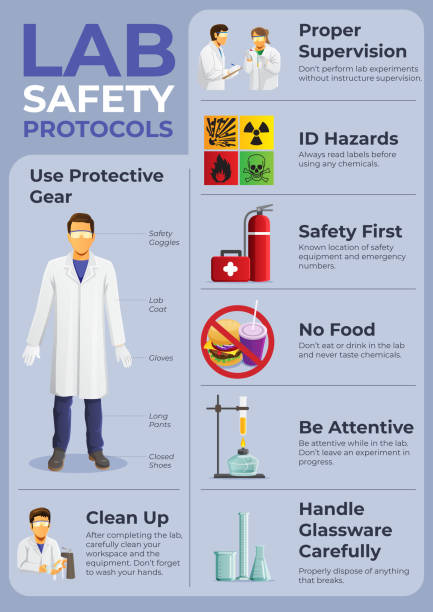
What is personal protective equipment in laboratories?
Personal Protective Equipment in laboratories is essential to protect scientists and lab workers from chemical, biological, and physical hazards. Common PPE used in labs includes:
- Lab Coats-To protect skin and clothing from spills and splashes.
- Gloves- To handle chemicals and biological materials safely.
- Safety Goggles- To protect eyes from hazardous substances.
- Face Shields- For additional face protection during dangerous procedures.
- Closed-Toe Shoes- To protect feet from spills and dropped equipment.
Proper PPE in laboratories helps prevent accidents and ensures a safe working environment.
What is personal protective equipment in sports?
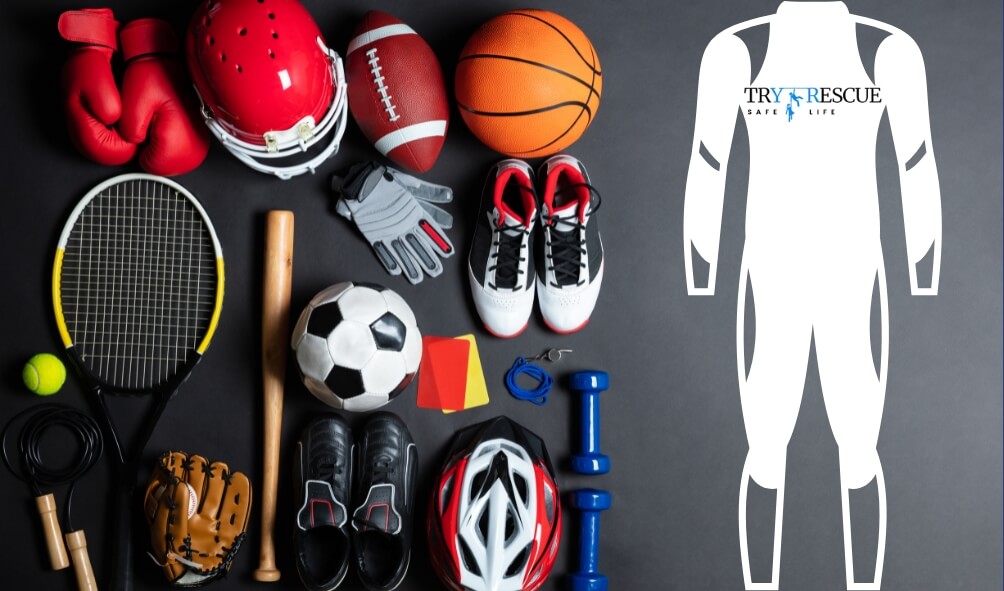
Personal Protective Equipment in sports includes gear designed to protect athletes from injuries during play. Depending on the sport, PPE can include:
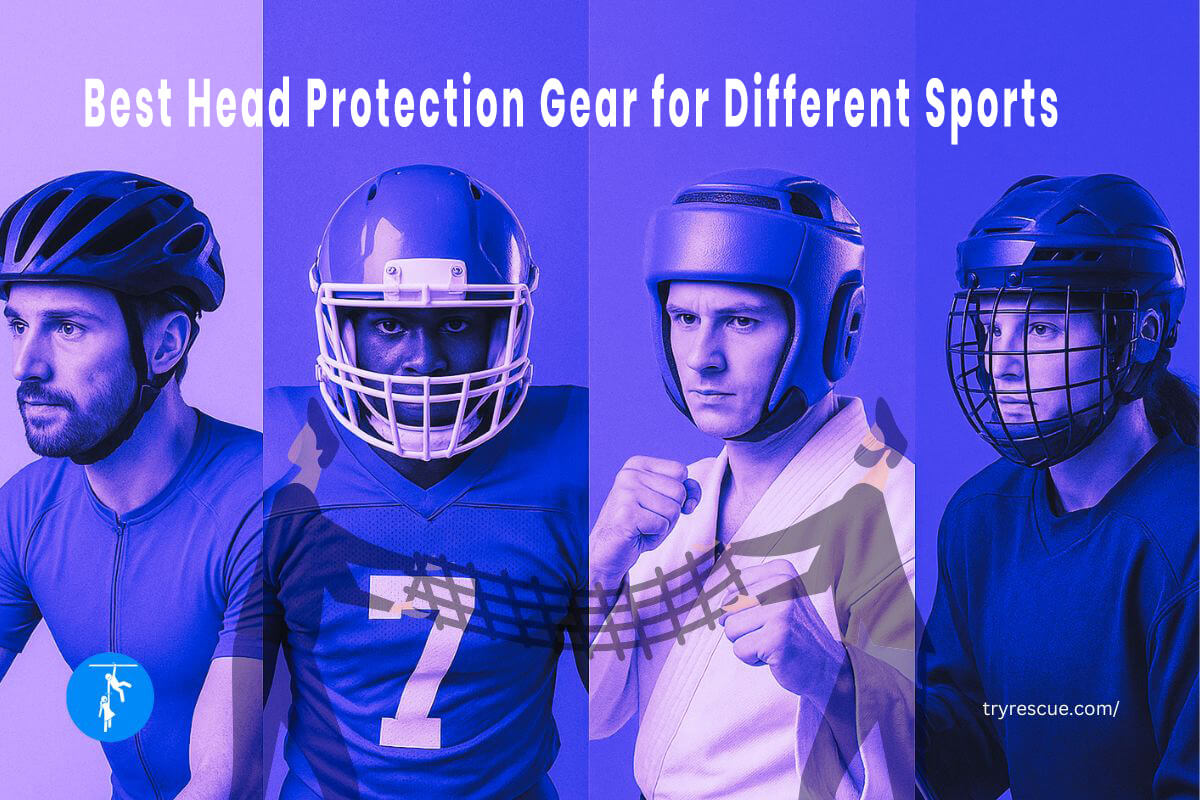
- Helmets- Protect the head in sports like football, hockey, and cycling.
- Pads- Such as knee pads, elbow pads, and shoulder pads used in sports like basketball, volleyball, and martial arts.
- Mouthguards- Protect teeth and gums in contact sports like boxing and hockey.
- Protective Eyewear- Shields eyes in sports like squash and paintball.
- Gloves- Used in sports like baseball, golf, and cycling for better grip and protection.
Using the right PPE in sports helps prevent injuries and allows athletes to perform safely and confidently.