Essential Personal Protective Equipment for Healthcare Workers: A Complete Guide
You see doctors and nurses in every room, all wearing special gear to protect themselves. There’s a mask covering their face, gloves on their hands, and gowns to shield their bodies. But why is everyone dressed this way? The answer is simple—Personal Protective Equipment (PPE) is essential. It’s what keeps healthcare workers safe from the many risks they face every day. Without it, they would be exposed to harmful germs and diseases, putting not just themselves, but also the people they care for, at risk. Let’s dive into why PPE is so important for healthcare workers and how it helps them do their life-saving work safely.
Personal Protective Equipment, or PPE, is special gear that healthcare workers wear to stay safe while working. It includes things like masks, gloves, gowns, and face shields. This equipment helps protect workers from germs, infections, and other dangers that might be in the hospital or other healthcare settings.
During times like the COVID-19 pandemic, PPE became even more important. The virus spread quickly, and healthcare workers needed extra protection. Wearing masks, gloves, and face shields helped protect them from getting sick while helping people in need.
What is PPE and Why It’s Important for Healthcare Workers
PPE, or Personal Protective Equipment, is special gear that helps protect healthcare workers from harm. It keeps them safe from dangerous germs, viruses, and even injuries while they take care of patients.
Protection from Infectious Diseases
One of the biggest reasons PPE is so important is because it helps stop the spread of infectious diseases. For example, when doctors and nurses wear masks, gloves, and gowns, they can protect themselves from germs like the flu, COVID-19, and other illnesses. These diseases can spread quickly, especially in hospitals, but with the right PPE, healthcare workers are much safer.
Occupational Safety
PPE also helps keep healthcare workers safe from workplace injuries. Sometimes, they work with sharp tools or equipment that can cause cuts or other injuries. PPE like gloves and protective clothing protects their skin from getting hurt. Even in non-pandemic situations, PPE is crucial to reduce the risk of accidents and keep workers healthy.
Legal and Ethical Responsibility
Healthcare facilities are required to provide proper PPE to their workers. This is not just a choice, but a legal responsibility. There are rules from organizations like OSHA (Occupational Safety and Health Administration) and the CDC (Centers for Disease Control and Prevention) that tell hospitals and clinics how to keep workers safe. These rules make sure that healthcare workers get the right PPE to protect them from harm. It’s important because it shows that healthcare employers care about the safety and well-being of their staff.
PPE is more than just gear—it’s a key part of making sure healthcare workers are safe, healthy, and ready to help others without putting themselves at risk.
Types of PPE for Healthcare Workers
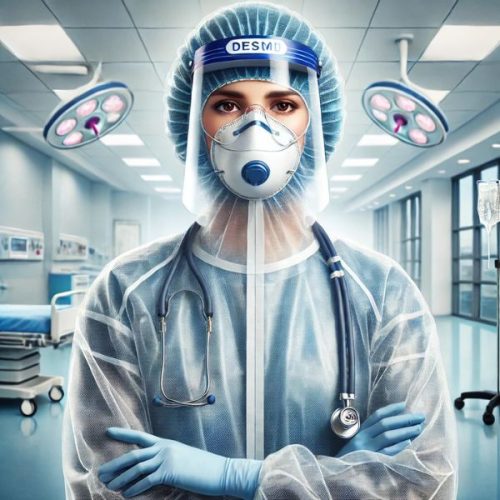
Healthcare workers use different types of Personal Protective Equipment (PPE) to stay safe while helping patients. Each type of PPE has an important job to protect workers from germs, viruses, and accidents. Let’s look at the most common types of PPE used in healthcare settings.
Masks and Respirators
Masks and respirators are used to protect healthcare workers from airborne particles and viruses. The N95 respirator is one of the most important types. It is designed to filter out tiny particles in the air, like viruses and bacteria. This helps prevent healthcare workers from breathing in harmful germs. In lower-risk settings, healthcare workers may use surgical masks, which are good for blocking larger particles but don’t offer the same level of protection as N95 respirators.
Gloves
Gloves are worn to protect healthcare workers’ hands from coming into contact with bodily fluids like blood, saliva, or mucus. Gloves also prevent the spread of pathogens (germs) that can cause infections. Healthcare workers wear gloves when they treat patients or handle things that could be contaminated. After using them, they safely remove and dispose of the gloves to prevent spreading germs.
Protective Clothing
Protective clothing like gowns and aprons are worn to cover the body and prevent contamination from germs. Gowns and aprons are especially useful when healthcare workers are dealing with patients who have infectious diseases. These items help keep clothes clean and protect the skin from contact with harmful fluids or pathogens.
Eye and Face Protection
Eye and face protection is crucial for keeping the eyes and face safe from splashes or droplets that could carry germs. Goggles cover the eyes and protect them from any splashes, while face shields cover the entire face. These are especially important when healthcare workers are dealing with patients who may cough, sneeze, or vomit, as droplets can reach the face and eyes.
Footwear
Footwear like boots and shoe covers protect healthcare workers’ feet from coming into contact with contaminants on the floor. In hospitals or clinics, there may be germs or spills that can make shoes dirty or unsafe. Boots and shoe covers help keep feet clean and protected from bacteria, viruses, or chemicals that could be on the ground.
Importance of PPE for Healthcare Workers
PPE, or Personal Protective Equipment, is very important for healthcare workers. It helps keep them safe from many dangers in the healthcare setting. Let’s see why PPE is so important in protecting workers.
Protection from Infections
One of the biggest reasons healthcare workers need PPE is to protect themselves from infections. Healthcare workers are often around patients who are sick, and many illnesses can spread through germs in the air, on surfaces, or in bodily fluids. Masks, gloves, gowns, and face shields help keep harmful germs from touching their skin or entering their body. PPE stops the spread of infections like the flu, COVID-19, and other contagious diseases.
Occupational Safety
PPE also helps keep healthcare workers safe from injuries. When they are working, they may handle sharp tools, chemicals, or other hazards. Wearing gloves, gowns, and boots helps protect against cuts, burns, or spills. PPE helps workers stay safe while doing their jobs in places like hospitals, clinics, and emergency rooms.
Legal Requirements
PPE is not just important for safety; it is also required by law. Laws and rules set by organizations like OSHA (Occupational Safety and Health Administration) and CDC (Centers for Disease Control and Prevention) make sure healthcare workers have the right gear. These rules help prevent accidents and protect workers from getting sick or injured. Healthcare employers must provide PPE for their workers to follow these rules and keep everyone safe.
PPE is an important part of keeping healthcare workers safe from infections, injuries, and following the rules that protect their health. It’s essential for their safety and helps them do their jobs confidently and without unnecessary risks.
How to Properly Use PPE
Using PPE the right way is very important to make sure it works well and keeps healthcare workers safe. Here are the steps to use PPE correctly:
Proper Donning and Doffing
Donning means putting on PPE, and doffing means taking it off. It’s very important to follow the right steps to avoid getting germs on your skin or clothes.
- Donning (Putting on PPE):
- Wash your hands before you start.
- Put on the gown or apron first to cover your body.
- Put on the mask or respirator over your nose and mouth. Make sure it fits tightly.
- Wear gloves to protect your hands from germs.
- Put on eye protection like goggles or a face shield to protect your eyes.
- Doffing (Taking off PPE):
- Take off gloves first by peeling them off from the inside, without touching the outside.
- Remove the gown or apron, being careful not to touch the outside.
- Take off the mask or respirator, touching only the straps.
- Finally, remove eye protection, holding it by the straps or edges.
- Wash your hands after removing everything.
When to Use PPE
Healthcare workers use PPE in different situations, depending on the task and the level of risk. Here’s when different types of PPE are needed:
- Masks and respirators should be worn when working with patients who have infections that spread through the air, like COVID-19 or the flu.
- Gloves are used whenever healthcare workers touch blood, bodily fluids, or contaminated surfaces.
- Gowns and aprons should be worn when there’s a chance of getting bodily fluids on your clothes, like during surgeries or taking care of sick patients.
- Eye protection like goggles or face shields is worn to protect against splashes or sprays, especially when doing tasks like drawing blood or cleaning wounds.
Training and Compliance
It’s important that healthcare workers are trained to use PPE correctly. Workers need to know how to put on, take off, and use PPE properly to stay safe. Healthcare facilities should provide training and make sure workers follow safety rules for using PPE. This training helps prevent mistakes and ensures that healthcare workers are protected at all times.
Using PPE the right way helps keep healthcare workers safe and healthy. By following the correct steps for donning, doffing, and knowing when to use PPE, healthcare workers can reduce the risk of getting sick or injured while doing their important work.
Maintaining and Replacing PPE
Taking care of PPE is very important to make sure it stays safe and works properly. Here’s how to maintain and replace PPE to keep healthcare workers protected:
Cleaning and Disinfection
Some PPE, like gowns, gloves, and face shields, can be reused if cleaned properly. It’s important to clean them to remove any germs or dirt. Here’s how:
- Gloves: Disposable gloves should always be thrown away after use. Don’t reuse them!
- Gowns and Face Shields: If these items are reusable, they should be cleaned carefully according to the manufacturer’s instructions. This may include using soap and water or special cleaning products that kill germs.
- Masks and Respirators: Some masks, like cloth ones, can be washed, but N95 respirators and other special masks are usually one-time use. They need to be thrown away after each use.
Make sure to wash your hands after cleaning any PPE to avoid touching germs.
When to Replace PPE
PPE doesn’t last forever, so it’s important to replace it when it’s damaged or worn out. Here are some signs when you should replace PPE:
- Gloves: If the gloves have holes or tears, throw them away and get new ones.
- Masks and Respirators: If the mask is torn, dirty, or no longer fits properly, it should be replaced. N95 respirators should be replaced after each use.
- Gowns and Aprons: If these items are ripped, stained, or too dirty to clean, they need to be replaced.
- Eye Protection: If goggles or face shields get scratched or cracked, they should be replaced because they might not protect your eyes properly.
Replacing damaged PPE helps make sure you are fully protected from germs and other risks.
Inventory Management
It’s also important for healthcare facilities to manage their PPE inventory. This means keeping track of how much PPE is available, making sure there is enough, and replacing old or used-up PPE. Without proper inventory management, healthcare workers might not have the gear they need to stay safe.
Regular checks and restocking are key to making sure there is always enough PPE when needed.
Remember, it’s not just about wearing PPE—it’s about using it correctly, cleaning it properly, and replacing it when needed. Following the guidelines ensures that workers are always protected. Whether you’re a healthcare provider or someone who wants to learn more, always make sure to prioritize safety by using and maintaining PPE properly.
Stay safe, stay protected, and don’t hesitate to reach out for help with your PPE needs!