Best Tips for Wetsuit Care || 11 [Expert-Approved] Tips to Extend the Life of Your Wetsuit
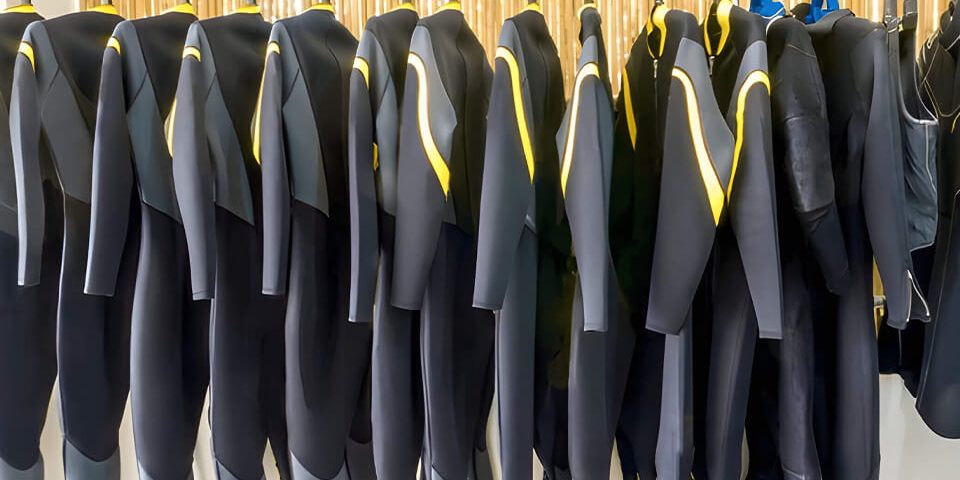
Extend your wetsuit's life and keep warm with the Best Tips for Wetsuit Care: rinse with fresh water after every use, dry away from sunlight, use mild detergents, avoid stretching when wet, and store in a cool, dry place.
This also allows you to inspect your wetsuit for any kind of damage, and doing so along with following the manufacturer specs checked can go a long way in extending the life expectancy of your suit helping it stay both comfortable as well as effectual on your water adventures.
A wetsuit is made of neoprene – a material that provides insulation and flexibility. Neoprene will degrade over time without proper care, and soon your efforts will be worthless.
The wetsuit will no longer be able to provide comfort or warmth due to the decrease in its insulation.
Your wetsuit will face almost constant wear and tear:
- UV damage;
- saltwater corrosion; And
- others Proper cleaning, drying, and storage will extend the life of your wetsuit and keep it fun and safe to wear.
What are the Best Tips for Wetsuit Care?
1. Rinse After Every Use
2. Drying the Right Way
3. It is important to Use the right Cleaning Agents
4. Avoid Excessive Stretching
5. Store it Correctly
6. Check for Damage Regularly
7. Limit Sun Exposure
8. Avoid Heat Sources
9. Use a Wetsuit Bag for Travel
10. Avoid Sharp Objects
11. Read Manufacturer Instructions

Why Is Wetsuit Care Really Necessary?
Now that we’ve covered the quality specifics, let’s talk about why putting in the time and effort to better protect your wetsuit is such a big idea. Consider the following scenario.
You’ve just spent a decent amount of money on a brand-spanking-new wetsuit, and you’re looking forward to all the adventures you’ll have swimming through the next month.
Furthermore, isn’t money the most significant factor in this decision? All the sudden, your new suit is stiff, stinky, and covered in holes that are starting to resemble Swiss cheese.
You may: • Increase the longevity of your suit Ensure it remains supple and comfortable
- Kick nasty stenches to the curb;
- Insulate your suit to maintain optimum insulation levels
Rinse After Every Use
Arguably, the most important wetsuit care tip you can follow is one that any seasoned diver will tell you, rinse your wetsuit with fresh water as soon after you have been using it. Certainly always rinse your wetsuit with fresh water after each use, especially if you have used it in saltwater of chlorinated pools. This will get rid of salt, chlorine, sand and other things that will break down this material in the long run.
Top Tip — use either cold or lukewarm water. Do NOT use hot water, as this will break down the neoprene and bonding resins.
Drying the Right Way
Hang your wetsuit to dry in a cool, shady place out of direct sunlight. Only use a wide hanger to keep the neoprene taut and prevent any creases/creases from occurring. Do not put in the dryer or near direct heat source, this could cause warping or make the material brittle.
Pro-Tip: Once the inside of your wetsuit is dry, flip it right-side out and make sure the outside dries completely as well.
Avoid Excessive Stretching
Although your wetsuit should be fitting, take care not to over-stretch it when putting on or taking off. Pulling too tight can cause tears or breaks, especially in more frail areas such as the nails of the mask. Instead, apply wetsuit lubricant or conditioner to make it easier to slide.
Pro tip: rather than yanking, roll the wetsuit on and use your palms (not your finger tips) to smooth creases. You DO NOT want to puncture neoprene out there!
Store it Correctly
How to store a wetsuit : Store in cool, dry place. If you fold it keep the folding to a minimum for long periods of time or hang it up, or lay flat. If you need to fold it, just do so softly but avoid the crease.
Life Hack: It is important to keep your wetsuit in a cool, dry place that will not be exposed to too much sun because the more sunlight it gets, the stronger its material breaks down.
Check for Damage Regularly
Ensure to keep material fasteners clear of damage which when overtightened can shred your suit apart again only check once every few uses. Check for pinprick leaks, small holes in the fabric or seams that may let water trickle into the insulation layer and lose its capacity to keep you warm. Identifying these issues earlier can help to stop them from becoming seriously.
You can use a neoprene repair kit to patch up small tears that may have caused the hole, and extend your wetsuit’s life.
Limit Sun Exposure
Neoprene taken in sunlight is probably amongst the worst circumstances to have it(rot). Make sure you never leave your wetsuit in direct sunlight for longer periods, even if it is left out to dry. UV rays can make the neoprene lose its stretch and start to crack, meaning your wetsuit will no longer be as useful in keeping you warm.
Tip: The sun is the mortal enemy of your wetsuit so always dry it in a shady place and if you must hang it outside, keep it under the harsh sun for as minimal time as possible.
Avoid Heat Sources
While it may be tempting to speed up the drying of your wetsuit by hanging it next to a radiator or even using a dryer, do not do this. Be careful not to expose your wetsuit to long periods of heat, it can cause the neoprene to warp and is difficult to recover.
Quick Tip: Patience is key. Hang your wetsuit to dry in the shade in a non-direct sunlight, well-ventilated room.
Use a Wetsuit Bag for Travel
To help your wetsuit last longer, it is best to ensure that you use a proper wetsuit bag for travelling. This will ensure it's not too crushed or damaged on the way too. Do not pack it tightly in a suitcase as this can result in creases and even holes on the merchandise.
Pro Tip: Opt for wetsuit bags which are designed to provide protective padding and ventilation to ensure your suit is safe, fresh and stink-free.
Avoid Sharp Objects
Always keep your wetsuit away from sharp objects like nails, rocks and even barnacles all of which can puncture or tear off the wetsuit. Use care when in rocky terrain or around equipment
Read Manufacturer Instructions
And last, but not the least, always refer to the manufacturer's care instructions. After washing your wetsuit, the drying technique will depend on the neoprene or type of stitching used; be sure to follow their specific guidelines for cleanup, as well as how it should surge up and return dry.
Make sure to keep your user manual on hand or have the care page of the manufacturer bookmarked to remind you if another wetsuit model is needing some special treatment.
And by doing so, you will learn how to help maintain and make your wetsuit last longer the very easy way. But if they are rinsed and dried properly the right way and stored correctly it can save you thousands of dollars in gear from only a few years of water adventures.