Types of personal protective equipment and their uses


Are you thinking yourself doing a job where there are many chemicals, noise, or heavy machines. Workers can easily get hurt without any PPE.
Personal Protective Equipment (PPE) refers to the utilization of protective devices, including using helmets and housing gloves or wearing goggles and masks. These tools protect the workers by keeping them safe from hazardous materials and preventing injuries in the workplace.
Why PPE Matters in the Workplace
I was just walking in my office which was an active construction site replete with heavy machinery, chemicals or noise. Out of nowhere something drops, or a splash of liquid comes at me. What do you think of first? Safety!
Personal Protective Equipment (PPE) is a nice kit. You wear it to safeguard yourself from reaching harm or ailment while working.
It works as a superhero. wow! Helps you stay safe while working.
Types of Personal Protective Equipment for Adequate Protection
Personal Protective Equipment (PPE) comes in various types, each designed to protect you from specific dangers at work or in different environments. Understanding these types helps you stay safe and choose the right gear for the job. Here are the main categories of PPE, along with examples and their uses:
PPE Category | Examples | Purpose |
Head Protection | Hard hats, helmets | Protects from falling objects and bumps |
Eye and Face Protection | Safety goggles, face shields | Shields eyes and face from chemicals and debris |
Hearing Protection | Earplugs, earmuffs | Reduces exposure to loud noises |
Respiratory Protection | Masks, respirators | Protects lungs from harmful particles |
Hand Protection | Gloves (latex, nitrile, leather) | Protects hands from chemicals and cuts |
Foot Protection | Safety boots, steel-toed shoes | Protects feet from heavy objects and slips |
Body Protection | High-visibility vests, coveralls | Protects body from various hazards |
Fall Protection | Harnesses, safety nets | Prevents injuries from falls from heights |
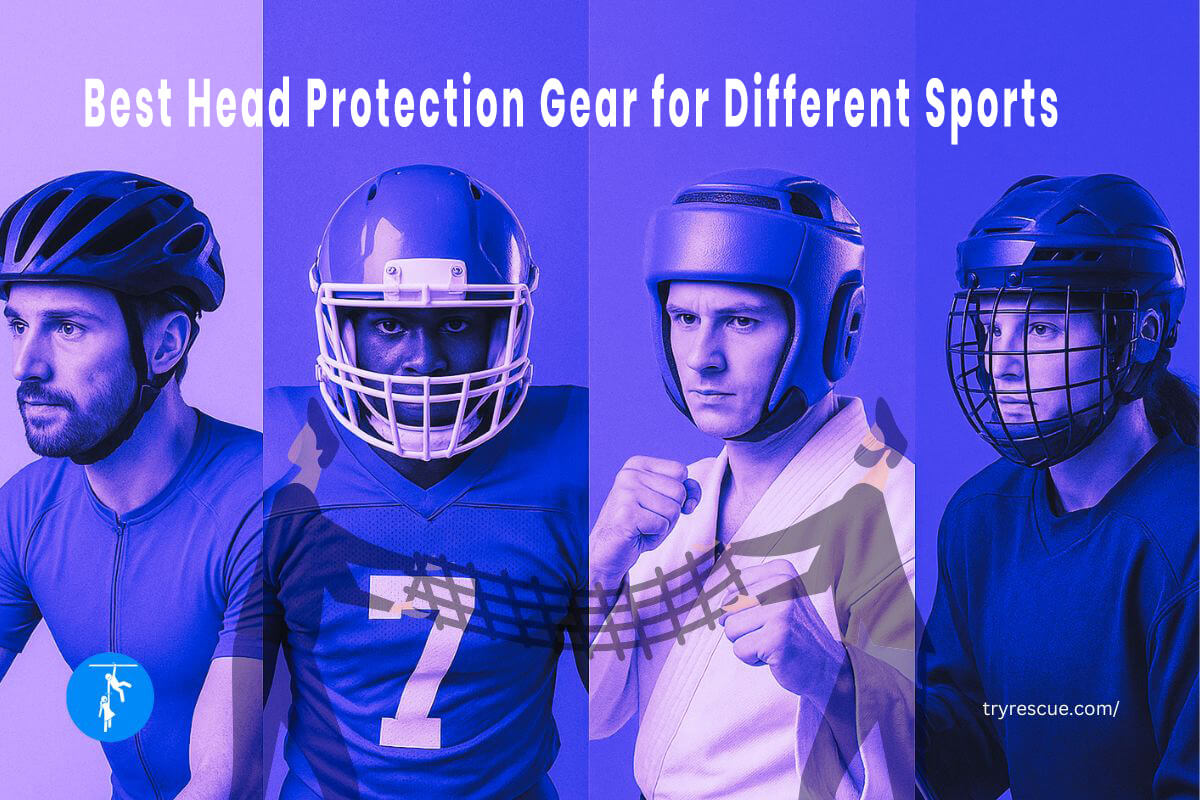
Types of Head Protection
1. Hard Hats
Hard Hat a heavy, molded helmet that protects you from falling or impact hazards. They are built from strong materials such as plastic, and frequently have an internal suspension system that absorbs impact.
For instance: construction workers wear hard hats to protect their heads from falling tools, bricks or other materials that may fall from above.
2. Bump Caps
Bump caps are actually normal hats with additional padding that provide cushioning to protect your noggin from light bumps and scrapes. They weigh less and feel more comfortable than a hard hat.
For instance, warehouse workers or those in light assembly jobs may be injury-prone to low-level impacts so they would wear bump caps.
3. Welding Helmets
Welders utilize welding helmets which are special kind of helmets. They come with dark glass to shield the eyes and face from the high-intensity light and sparks as welding gives out bright light.
For example: a welder using welding machinery need to protect his face from the bright light and hot flying sparks coming out while welding two metal pieces together.
Why Head Protection is Important
Think about dropping your phone on your toe - ouch! Now imagine something falling on your head - super ouch! That's why head protection is super important. In fact, head injuries at work dropped by 50% after hard hats became required gear. How awesome is that?
Table of contents
ShowHide- Why PPE Matters in the Workplace
- Types of Personal Protective Equipment for Adequate Protection
- Types of Head Protection
- Eye and Face Protection
- Types of Respirators
- Why Respiratory Protection is Important
- Body Protection: Clothing and Suits
- Types of Body Protection
- Why Body Protection is Important
- Foot and Leg Protection
- Types of Foot Protection
Eye and Face Protection
Did you know your eyes can process 36,000 pieces of information every hour? That's why keeping them safe is super important! Let's dive into how we can protect our eyes and face at work and play.
Eye and Face Protection includes tools like safety goggles, face shields, and safety glasses. Let’s dive into what each of these are, the dangers they protect against, and how to take care of them. Keeping your eyes and face safe is super important, especially when you're working in places where things can splash, fly, or shine too brightly.
Type | Example | When to Use |
Safety Goggles | Lab safety goggles | Protecting eyes from chemical splashes in laboratories |
Face Shields | Welding face shields | Guarding the face from sparks and bright welding light |
Safety Glasses | Construction safety glasses | Preventing debris from entering eyes on construction sites |
Why Eye and Face Protection is Important
I was working with strong chemicals without goggles – a splash did hurt my eyes badly. Then I realized its importantance.
You think about using power tools without safety glasses – flying bits could damage your vision.
We keep ourself safe by wearing the right eye and face protection.So we can work without worrying about getting hurt.
Types of Respirators
1. N95 Masks
N95 masks are commonly used to filter out tiny particles in the air. They are tight-fitting and can block at least 95% of airborne particles.
Example: During a pandemic, healthcare workers wear N95 masks to protect themselves from viruses in the air. Construction workers might use them to avoid inhaling dust when cutting concrete.
2. Half-Face Respirators
Half-face respirators cover the nose and mouth. They use replaceable filters to protect against various airborne hazards
Example: A firefighter wears a full-face respirator to protect against smoke, fumes, and heat during a fire rescue operation.
3. Full-Face Respirators
Full-face respirators cover the entire face, including the eyes. They provide a higher level of protection by guarding not just the lungs but also the eyes from harmful substances.
Example: A firefighter wears a full-face respirator to protect against smoke, fumes, and heat during a fire rescue operation
Why Respiratory Protection is Important
If you want to work in a place where the air is filled with harmful dust or dangerous chemicals without any protection.
Breathing in these substances can lead to serious health problems, like lung disease or infections.
Respiratory protection ensures that you can breathe safely and stay healthy while doing your job
Body Protection: Clothing and Suits
Have you ever seen the cool colorful fluorescent vests that construction workers wear, and the special suits that firefighters wear for their work? Today we are taking a look at all sorts of body protection that protects people from injury on the job. Like equipping gear for a player character in an RPG but fleshy!
Body Protection Body protection consists of clothing and suits such as coveralls, aprons, high-visibility clothing, and flame-resistant (FR) gear. Just as you need protection for your head, eyes or lungs at work, so do you need protection for your body.
Such outfits protect you from the different hazards. Here are the types of body protection, when you should wear them and why they matter.
Types of Body Protection
1. Coveralls
Coveralls are one-piece outfits that cover your entire body, providing protection from dirt, chemicals, and other hazards.
Example: A mechanic wears coveralls to keep grease and oil off their clothes while working on cars. Similarly, workers in paint shops use coveralls to stay clean from paint splashes.
2. Aprons
Aprons are garments worn over regular clothes to protect the front of your body, especially your chest and legs.
Example: Chefs wear aprons to keep their clothes clean while cooking. Laboratory technicians use aprons to protect themselves from chemical spills.
3. High-Visibility Clothing
High-visibility clothing is bright and often has reflective strips, making the wearer easy to see, especially in low-light conditions.
Example: Road workers wear high-visibility vests to ensure drivers can see them clearly at night or during foggy weather. Construction workers also use high-visibility jackets to stay safe on busy sites.
4. Flame-Resistant (FR) Clothing
FR clothing is specially designed to resist catching fire and to self-extinguish if it does ignite. This type of clothing is essential in environments where there is a risk of flames or high heat.
Example: Firefighters wear FR suits to protect themselves from intense heat and flames while battling fires. Welders also use FR jackets to guard against sparks and hot metal.
Why Body Protection is Important
When you work in a kitchen without an apron—your clothes would get messy with food and spills. Or you think about a firefighter without a flame-resistant suit— they wouldn’t be protected from the intense heat and flames. Body protection keeps you safe from these everyday hazards, allowing you to focus on your work without worrying about getting hurt.
Foot and Leg Protection
The fact that the total number of steps taken by your feet daily is approximately 10,000. And that is why they are so precious, and must be protected! Today, we will take a look at all the exciting methods to keep our feet and legs safe while working. Let's kick things off!
Foot and Leg Protection Only helps protect against cut, scratches, bruises and slipping injuries. In those jobs that require a lot of movement or might pose danger to your feet and legs, those body parts are hard at work each day.
Some sorts of security boots and sneakers are made with capabilities that offer safety in opposition to more than a few hazards. Here we discuss the various types of foot protection, when you need them and how to ensure they comply with safety standards.
Types of Foot Protection
1. Safety Boots
Safety boots are sturdy shoes designed to protect your feet in tough environments. They often come with features like steel toes and reinforced soles.
- Steel-Toed Boots: These boots have a strong metal cap in the toe area to protect against heavy objects falling or rolling onto your feet.
Example: Construction workers wear steel-toed boots to shield their feet from tools, bricks, and other heavy materials on building sites.
2. Safety Shoes
Safety shoes are similar to safety boots but are usually lighter and more flexible. They still provide important protection features.
- Slip-Resistant Shoes: These shoes have special soles that grip the ground to prevent slipping, especially on wet or oily surfaces.
Example: Kitchen staff wear slip-resistant shoes to avoid falls on slippery restaurant floors.
3. Composite-Toed Footwear
Composite-toed footwear uses materials like fiberglass or carbon fiber instead of metal to protect the toes. These shoes are lighter and don’t conduct electricity.
Example: Electricians wear composite-toed shoes to stay safe from electrical hazards while working.
Why Foot and Leg Protection is Important
If you are working on a construction site without steel-toed boots— a heavy tool could crush your foot, leading to serious injury. Or think about working in a kitchen without slip-resistant shoes— a simple spill could cause a dangerous fall. Wearing the right foot protection keeps you safe and allows you to work confidently without worrying about accidents.